Climate Food and Agriculture
Climate + Food and Agriculture
EDITOR’S NOTE
Grist has acquired the archive and brand assets of The Counter, a decorated nonprofit food and agriculture publication that we long admired, but that sadly ceased publishing in May of 2022.
The Counter had hit on a rich vein to report on, and we’re excited to not only ensure the work of the staffers and contractors of that publication is available for posterity, but to build on it. So we’re relaunching The Counter as a food and agriculture vertical within Grist, continuing their smart and provocative reporting on food systems, specifically where it intersects with climate and environmental issues. We’ve also hired two amazing new reporters to make our plan a reality.
Being back on the food and agriculture beat in a big way is critical to Grist’s mission to lead the conversation, highlight climate solutions, and uncover environmental injustices. What we eat and how it’s produced is one of the easiest entry points into the wider climate conversation. And from this point of view, climate change literally transforms into a kitchen table issue.
Featured

The people who feed America are going hungry
Climate change is escalating a national crisis, leaving farmworkers with empty plates and mounting costs.
Latest Articles
-
![]()
![]()
Big Ag demands right to pollute California’s Central Valley
A Central Valley field.Photo: calwestThe Los Angeles Times details a brewing skirmish over agricultural runoff being fought in California’s Central Valley. At issue are proposed regulations that would for the […]
-
![]()
![]()
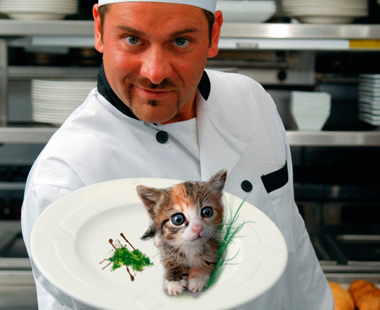
Shark fin soup and sautéed kitten: the cultural politics of cuisine
Enjoy your dinner meow.Kitten photo: Art SiegelWhat garnishes a kitten best? One of the corners in the long-standing battles between cultural relativists and absolutists is the question of food consumption, […]
-
Jamie Oliver has really pissed off Los Angeles
The Daily Show – Jamie Oliver Tags: Daily Show Full Episodes,Political Humor & Satire Blog,The Daily Show on Facebook Hey look, Jamie Oliver can talk about improving school lunches for […]
-
![]()
![]()
Disappearing American bats are worth up to $53 billion
Bats eat a lot of bugs. Here are some living under a bridge in Austin, Texas that eat millions of pounds of pests every season. What happens if those bats […]
-
![]()
![]()
Should some pesticides be banned to protect bees? A USDA scientist dances around the question
Photo: Maury McCownAs I reported in January, the USDA’s top bee researcher, Jeffrey Pettis, has publicly revealed that he has completed research showing that Bayer’s blockbuster neonicotinoid pesticides, used on […]
-
![]()
![]()
Monsanto cash helped fund bill to stifle whistleblowers in Iowa
Monsanto: See no evil, speak no evil in Iowa’s factory farms.Speaking of Monsanto, it turns out they are playing a role in Iowa’s proposed anti-whistleblower bill — a bill focused primarily on […]
-
![]()
![]()
Crazy idea from the feds: Maybe companies should stop shipping contaminated meat
Here's a good way to prevent a food recall: Don’t ship contaminated food in the first place. Companies that process meat have to test it for salmonella, E. coli, and […]
-
![]()
![]()
The American diet in one chart, with lots of fats and sugars
This is a non-interactive version of the chart. Also check out the interactive version, by Civil Eats and the UC-Berkeley Graduate School of Journalism News21 course.Over on Civil Eats, Andrea […]
-
![]()
![]()
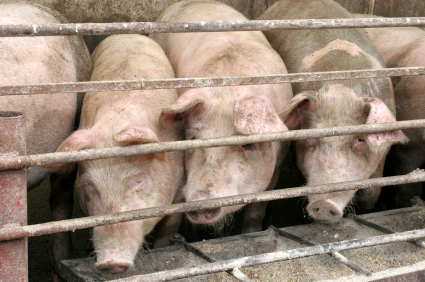
Will the U.S. hog industry ever kick its reliance on low-dose antibiotics?
The editors of Scientific American recently encouraged U.S. hog farmers to “follow Denmark and stop giving farm animals low-dose antibiotics.” Sixteen years ago, in order to reduce the threat of […]
-
The Onion’s remarkably smart take on locavores
The locavore movement—in which people eat food produced near their home to reduce their carbon footprint—is getting more and more popular. Here are some ways you can do more to […]